
Our Purpose
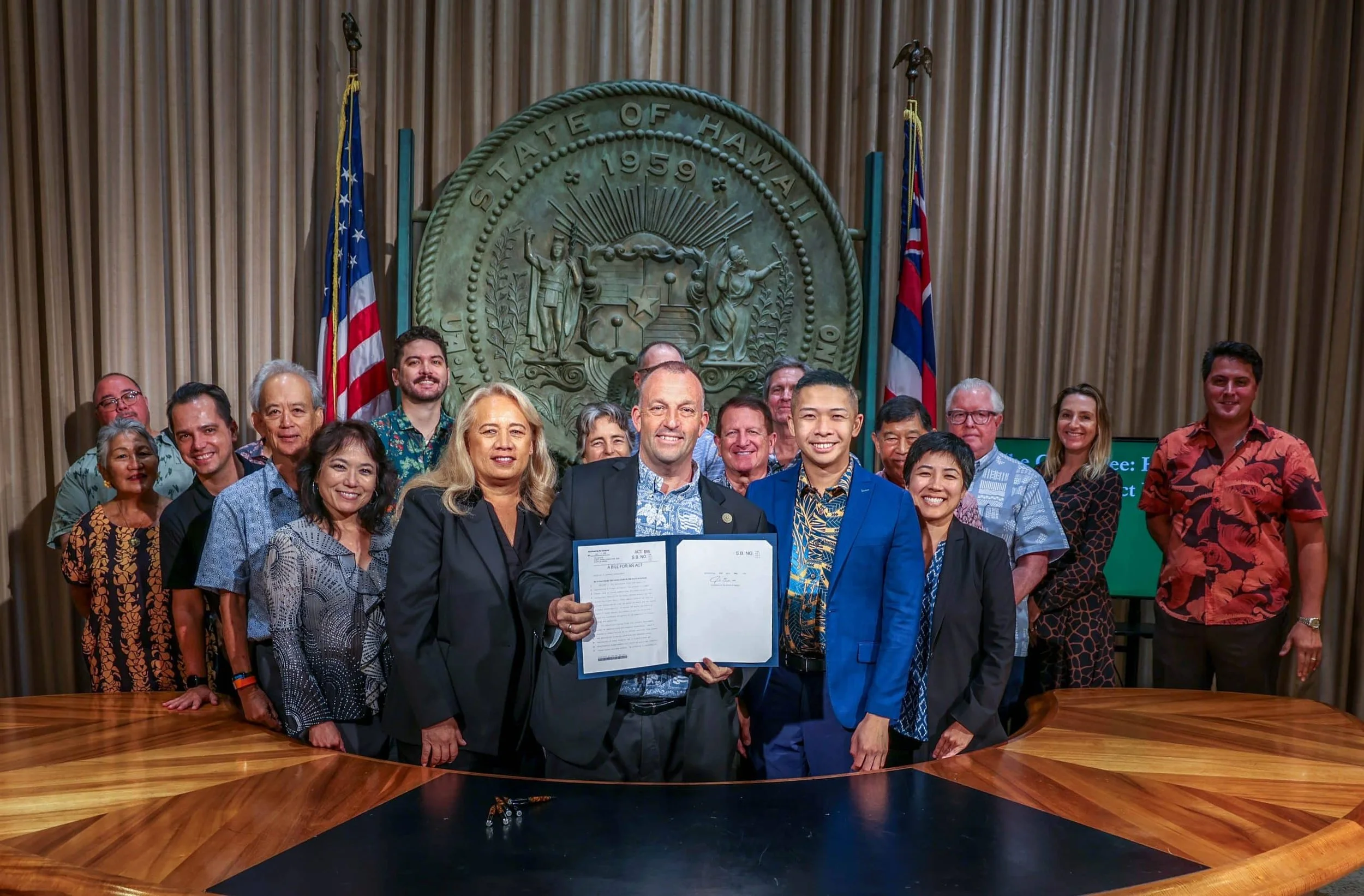
The Green Fee Advisory Council was convened by Governor Green in 2025 to provide crucial guidance on how to appropriate Green Fee funds in ways that bolster environmental conservation, disaster resilience and sustainable tourism in Hawaiʻi. The council is tasked with providing recommendations for funding priorities.
The Green Fee Advisory Council is charged with two main tasks:

1. Evaluation
Evaluate project ideas submitted by the public and departmental agencies for potential Green Fee funding.

2. Funding Recommendations
Provide recommendations for funding priorities to the Governor for inclusion in the Executive Supplemental Budget request.
Meet the Green Fee Advisory Council Members
The Green Fee Advisory Council includes local experts in climate, environmental stewardship, sustainable tourism and disaster resilience who are dedicated to advancing impactful solutions for Hawaiʻi’s people and environment.
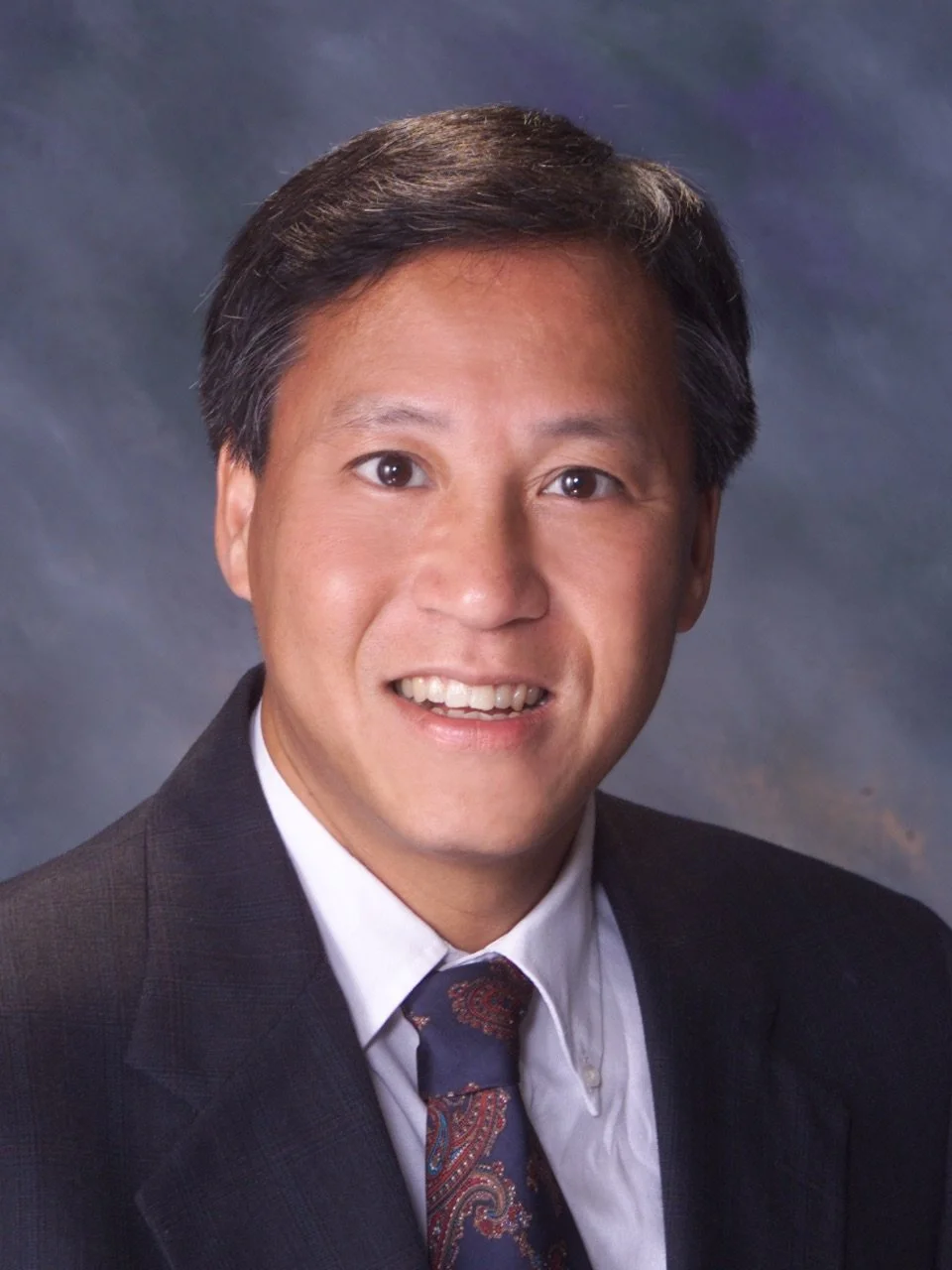
Dennis Hwang
Faculty, University of Hawaiʻi Sea Grant College Program, NOAA, lead author for the “Homeowner’s Handbook to Prepare for Natural Hazards” and member of the Hawaiʻi Emergency Management Agency’s Hawaiʻi Earthquake and Tsunami Advisory Committee.

Cheryl Kaʻuhane Lupenui
President and chief executive officer of The Kohala Center; works to strengthen relationships through ʻili ʻāina restoration of native forests, traditional Hawaiian crops and foodways and collective kuleana as a community.

Jack Kittinger, Ph.D.
Conservation scientist and Research Professor at Arizona State University; leads Conservation International’s Center for Regenerative Economies.

Samira Siale
Island Director for Kauaʻi Visitors Bureau working at the intersection of tourism, community stewardship, government relations and industry collaboration.

Jeff Mikulina, chair
Executive Director of Climate Hawai‘i; strategist in social impact and sustainable development, spearheading statewide climate initiatives

Carmela Resuma
Destination Stewardship Director at Kilohana by the Hawaiian Council, integrating culture, tourism and ʻāina stewardship in community programs.
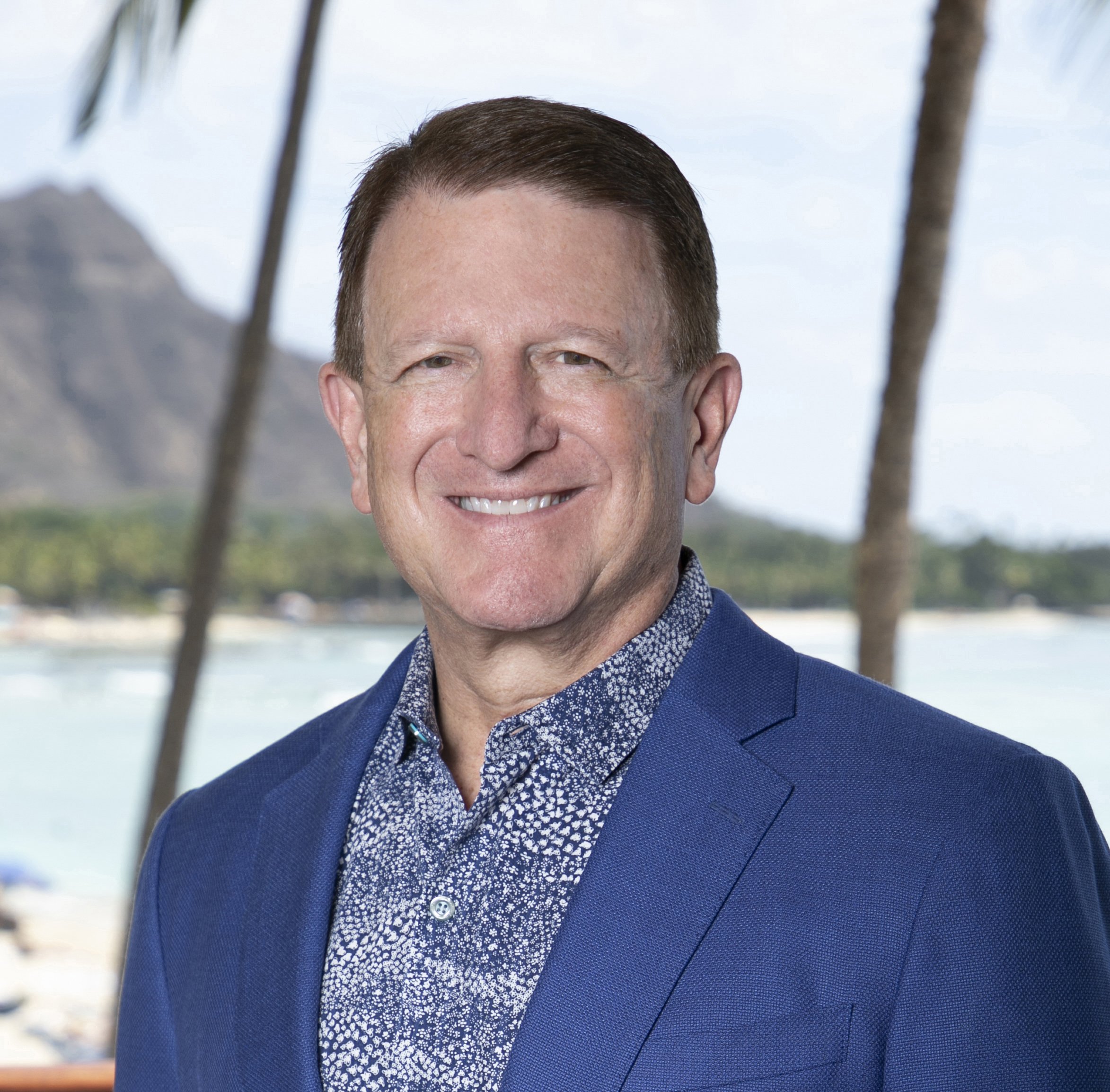
Jeff Wagoner
President and CEO of Outrigger Hospitality Group; leads a global portfolio of beach resorts, hotels, vacation condominiums and retail operations; has a more than three-decade career in hospitality.
The Green Fee Advisory Council builds upon the work of the Governor’s Hawaiʻi Climate Advisory Team
The Climate Advisory Team’s 2025 policy paper provided a framework of recommendations and priorities for expending the Green Fee funds that the Advisory Council studied, along with other models, criteria and proposals.
How Green Fee Project Ideas are Evaluated
While developing recommendations for the legislature, the council uses five criteria to evaluate project ideas submitted by the public and departmental agencies.

Results
The project achieves tangible outcomes that reduce harm, build resilience and contribute to the protection and restoration of ecosystems and communities.

Readiness
The project will be completed on time, with all necessary access, permits and compliance requirements in place or planned for. Existing infrastructure and systems are ready to support timely project implementation.

Relevance
Grounded in data, traditional knowledge and management plans, the project protects natural resources, strengthens resilience or supports destination management and site improvements.

Relationships
The project leverages additional resources and fosters collaboration among government, NGOs and community partners. It is community-led or demonstrates strong, responsive relationships with climate-vulnerable and historically underserved communities.

Region
The project is located in an area with demonstrated need, particularly one that is vulnerable to disaster risks or overtourism, or that typically receives insufficient funding.

The Council’s Year 1 Funding Recommendations
The Green Fee Advisory Council’s Recommendations Report outlined how Year 1 Green Fee revenues could be best invested to address the state's environmental, climate resilience and sustainable tourism needs during the 2026 legislative session. The report explains how projects were evaluated and describes how these recommendations informed the Governor’s budget proposal and legislative consideration.