
News
The latest updates and information about the work of the Green Fee Advisory Council.
For journalist inquiries, please contact: christine@paakaicommunications.com
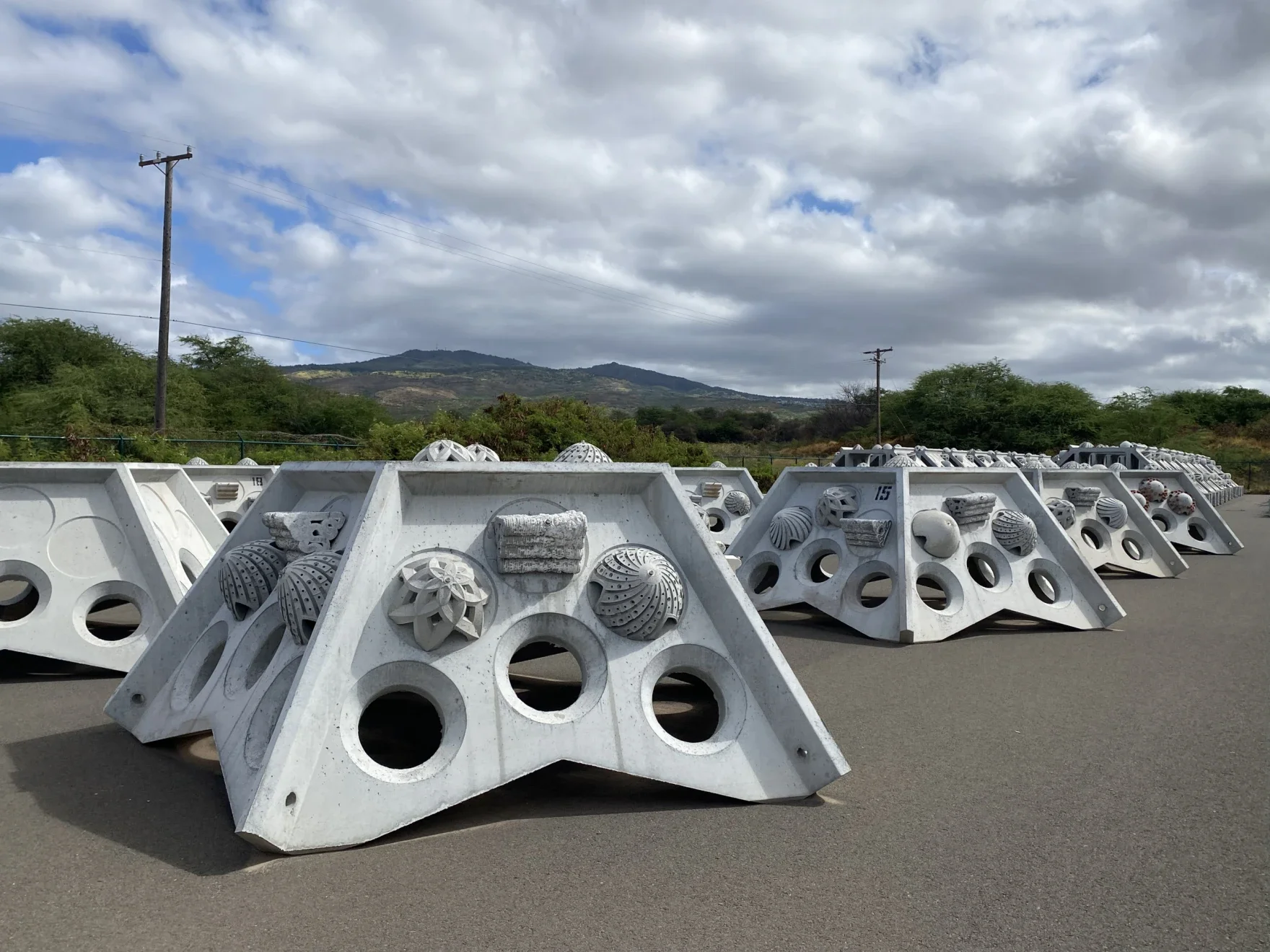
60 hybrid reef structures launch to protect Hawaiʻi coastlines
By Emma Caires for Hawai‘i Public Radio
The blessing of 60 multi-ton reef structures marked the official launch of the Kalaeloa Hybrid Reef Project. The initiative stations the structures roughly 70 yards out from Kalaeloa Harbor on Oʻahu to reduce wave energy, slow coastal erosion and support a healthier coral reef ecosystem. […]
The first year of the project’s monitoring and maintenance will be funded by the state’s Green Fee Program.

HDOT launches UH-developed hybrid reef to protect Hawaiʻi’s coastal highways
By UH News
To help protect Hawaiʻi’s vulnerable coastal highways from erosion and rising seas, the Hawaiʻi Department of Transportation (HDOT) is launching the Kalaeloa Hybrid Reef Project. Developed by Defense Advanced Research Projects Agency (DARPA) via its Reefense Program and the University of Hawaiʻi alongside academic, community and industry partners the project is an example of nature-based coastal engineering—an emerging approach that combines engineered infrastructure with natural ecosystems to protect vulnerable coastlines. […]
The first year of monitoring and maintenance of the project is funded by the State’s Green Fee program, which supports conservation and environmental initiatives that protect and restore Hawaiʻi’s natural resources.
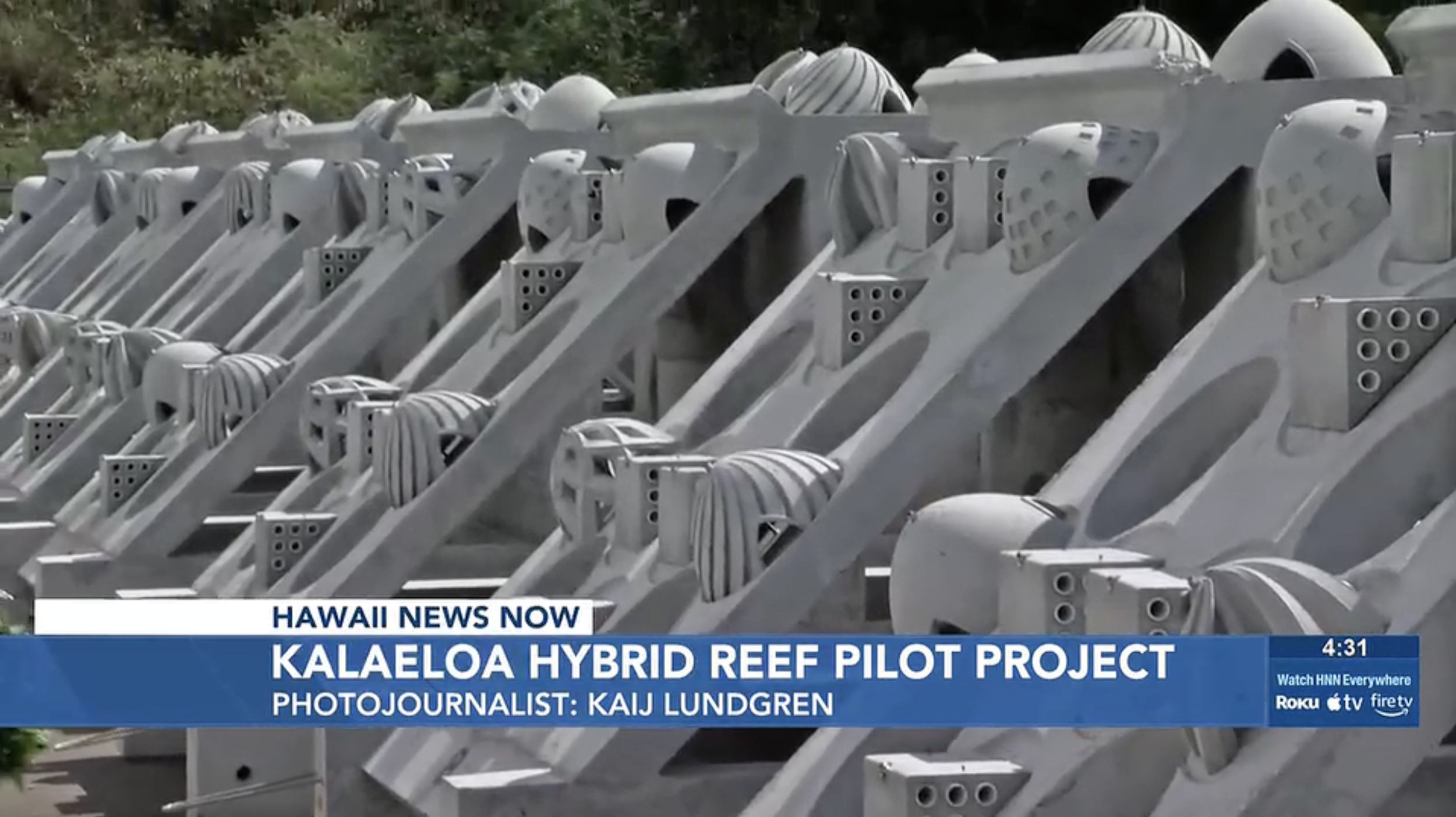
Hawaii tests ‘living breakwater’ to hold back the sea
By Anthony Ferreira for Hawai‘i News Now
There is a new approach to protect Hawaii’s shorelines from erosion.
After years of research and planning, a “living breakwater” will soon be sitting on the ocean floor off Kalaeloa.
Sixty concrete reef structures will sit in an underwater site about two-thirds the size of a football field, south of Kalaeloa Harbor. […]
Over the next year, state funds from the new Green Fee will be used to monitor and maintain the project.
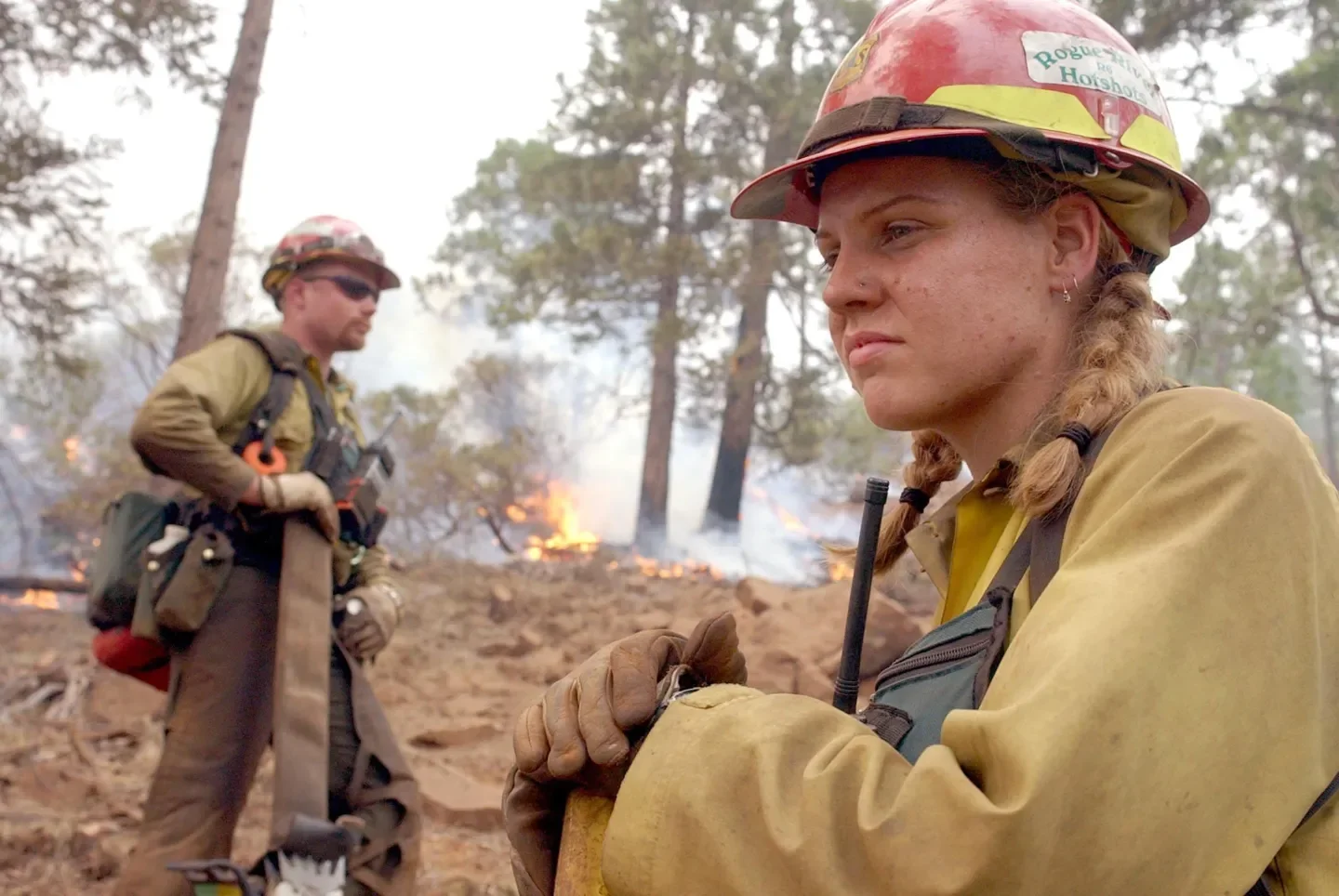
The exploding costs of fighting US wildfires
By Kylie Mohr for Vox
Oregonians buying nicotine pouches like Zyn and Rogue were met with a surprise at the cash register starting this year. Each tin had a new 65-cent tax on it, meant to bolster funding for the state’s wildfire reduction efforts.
Wildfires burned more than 1.9 million acres in Oregon in 2024. By the time they finally died down at the end of October, the state had spent more than $350 million fighting them, greatly exceeding the $10 million it had allocated. “By July 21, I had already completely blown through my cash on hand,” said Kyle Williams, Oregon Department of Forestry’s deputy director for fire operations.
Contractors weren’t promptly paid for services they’d already provided, from digging fuel breaks to supplying meals, and the state had to hold an emergency legislative session to allocate the money. That summer highlighted the flaws in how the state funds both firefighting and the preventive work that reduces the chances of large, destructive blazes in the first place.
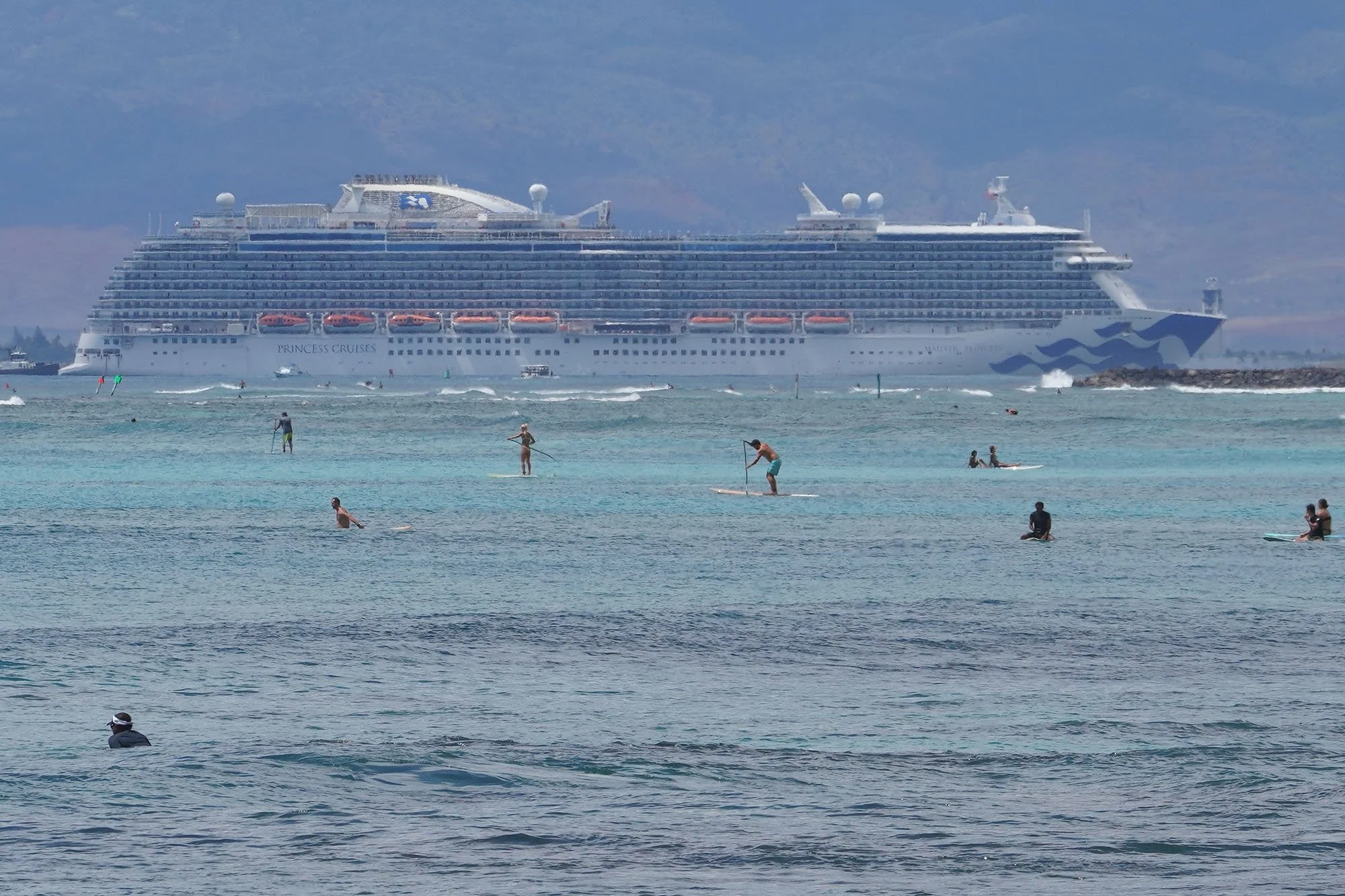
Effort To Get Cruise Ships On Board With Green Fee Is Sputtering
By Marcel Honoré for Honolulu Civil Beat
It was intended as a bit of a Band-Aid for the wounded environment, a bill that sought about $10 million a year from cruise passengers for harbor upgrades in case the industry wins its lawsuit to be exempted from the state’s new green fee.
Yet it quietly died last month.
That leaves the state in an all-or-nothing court battle to secure the approximately $26 million in annual cruise ship payments included in the original green fee law.
The fee put Hawaiʻi at the forefront of states seeking to address the islands’ daunting overtourism, natural disaster and environmental woes by adding a relatively small 0.75 percentage point increase on the tax Hawaiʻi visitors pay on their hotel and short-term stays.
How will Hawaiʻi spend The Green Fee? Some projects are 'head scratchers'
By Ashley Mizuo for Hawai‘i Public Radio
The Legislature unanimously passed the state budget, which included how about $130 million of the state’s Green Fee will be spent.
This is the first year lawmakers had to decide how to spend revenue from the Green Fee tax on tourists — designed to pay for climate projects.
The funds were to go to projects in three areas: protecting natural resources, increasing climate resiliency, and sustainable tourism.
The governor’s Green Fee Advisory Council recommended a series of projects at the start of the session, and the legislature finalized the list in the state budget.
Column: Don’t betray the promise, purpose of Hawaii’s ‘green fee’
My Mary Charles for Honolulu Star-Advertiser
Hawaii’s new “green fee” was sold to the public, to taxpayers and to visitors as something rare in modern government: honest, transparent and purpose-driven.
Visitors were told they would pay more to come here so Hawaii could better protect the very places they came to experience — our beaches, reefs, trails, forests and shorelines. Residents were told the new fee would help fund climate resilience, natural resource protection, disaster mitigation and a better visitor experience. It was a reasonable promise, and one many of us supported because it aligned environmental stewardship with the realities of a visitor-based economy.
To ensure those dollars were spent wisely, Gov. Josh Green created the 10-member Green Fee Advisory Council, chaired by respected environmental leaders and filled with experts who did the hard work of reviewing hundreds of proposals and recommending projects that met the law’s clear intent. That council, with Jeff Mikulina and others, built a credible, thoughtful and disciplined roadmap for how these funds should be used.
5 things to know going into the final week of the legislative session
By Ashley Mizuo and Mark Ladao for Hawai‘i Public Radio
Of the nearly 3,000 bills that were introduced at the Legislature, about 270 have made it to the final step of the legislative process. Most of the measures will be voted on a final time by the House and Senate on Wednesday, and the legislative session will end on Friday. That’s a lot to digest. So here at HPR, we’re breaking down what you need to know as the Legislature heads into its final week.
Legislature races to meet critical deadline
By Daryl Huff and Ben Gutierrez for Hawai‘i News Now
Friday marked a crucial deadline with major decisions debated all day on the House and Senate conference committees.
It’s been a day of frenzied deal-making, but we are learning the final fate of many of the issues we’ve tracked since the session began in January.
One of the reasons so many issues were being discussed up until the last minute was the budget, which determines whether measures are affordable, and wasn’t decided until 8 p.m. Thursday.
“We are proud to pass a budget that puts Hawaii’s working families front and center,” said state Sen. Donovan Dela Cruz, chair of the Senate Ways and Means Committee. “This budget uses cost-saving measures to help keep our promise to address the high cost of living to deliver meaningful tax relief, especially to working and middle-class families.”
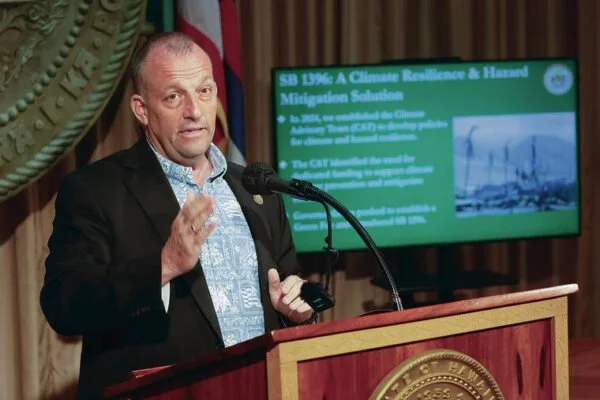
Letter: Use green fee funds only for intended purpose
By Patricia Godfrey for Honolulu Star-Advertiser
The Green Fee Advisory Council presented its final project choices to the state Legislature after much study and consultation. The Legislature has replied, replacing many candidate projects with a list of their own.
All of the projects have merit, but many of the council’s recommendations to be denied funding are nature- based and community-led, whereas many of those favored by the Legislature concern infrastructure repairs.
The green fee is meant to prepare these islands for climate change. The projects selected by the council were chosen with this in mind and should be left on the list, allowing legislators to fund their own list from other sources.
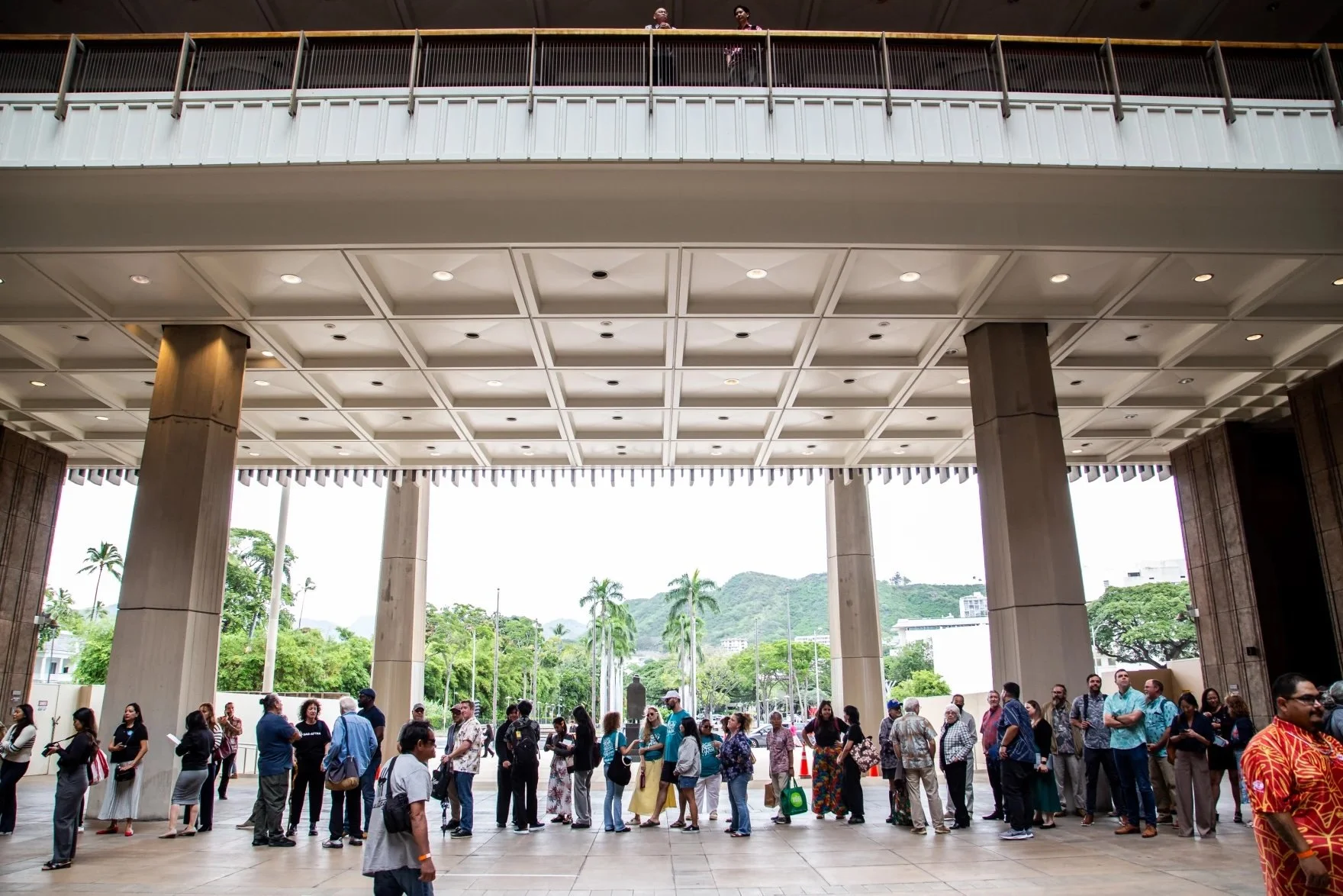
5 things to know going into the final week of the legislative session
By Ashley Mizuo and Mark Ladao for Hawai‘i Public Radio
Of the nearly 3,000 bills that were introduced at the Legislature, about 270 have made it to the final step of the legislative process. Most of the measures will be voted on a final time by the House and Senate on Wednesday, and the legislative session will end on Friday. That’s a lot to digest. So here at HPR, we’re breaking down what you need to know as the Legislature heads into its final week.
4. Department budget cuts and new projects receive Green Fee funding
The state budget also includes the $130 million allocation of the state’s new Green Fee on hotels and cruise ships as an example of the state’s commitment to environmental stewardship, as the new revenue is intended for sustainable tourism, conservation efforts and climate resiliency.
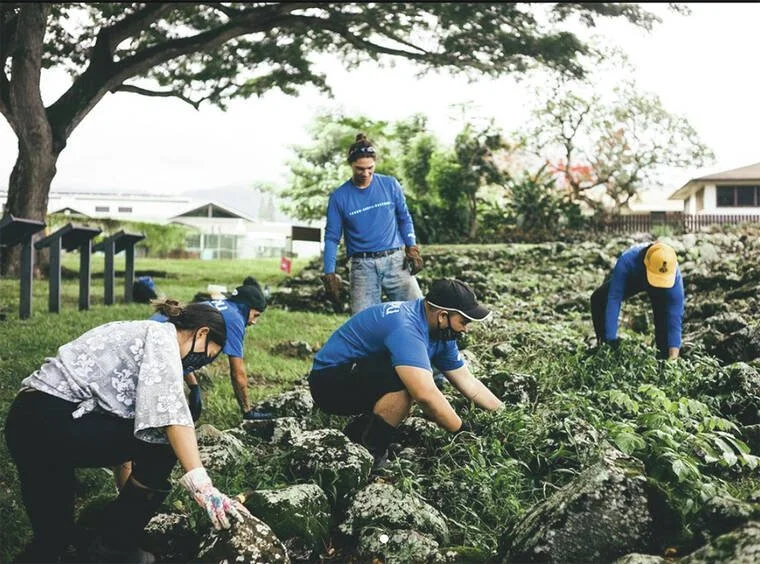
Letter: Support Hawaii culture with green fee funds
By Mariko Quinn for Honolulu Star-Advertiser
I was born and raised on the water in Heeia and have been fortunate to witness and support the work of Kako‘o ‘Oiwi and Paepae o He‘eia, long-time Kupu partners. Over the years, I have watched these organizations transform and revitalize our ahupuaa. Coming full circle as Kupu’s external affairs officer, and advocating at the state level, the green fee is a huge opportunity to support climate mitigation and restoration by returning to traditional land stewardship and practices.
Kupu ‘Aina Corps (KAC) is an established program that creates jobs and conservation workforce development for the state. Allocating green fee funds to programs like KAC increases the capacity of our aina organizations, which are critical throughout Hawaii.
In addition, it also empowers local youth through meaningful employment opportunities by opening new positions at organizations across the pae aina, reconnecting a new generation to their community and culture.
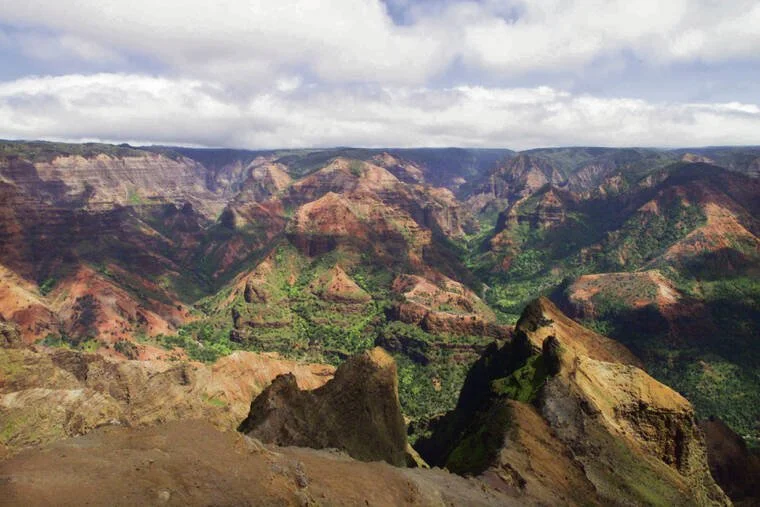
Proposed Hawaii ‘Green Fee’ projects overhauled again
By Andrew Gomes for Honolulu Star-Advertiser
State spending gatekeepers at the Legislature have put a big stamp on Hawaii’s first batch “Green Fee” projects to be funded by a new tourism impact fee, shunting about 40% of recommendations from an advisory council.
Thirty state lawmakers agreed late Wednesday afternoon on a list of about 90 initial Green Fee projects totaling $129 million to protect natural resources, mitigate disaster risk and improve visitor experiences.
About 60% of the new list was recommended by a 10-member Green Fee Advisory Council established in August by Gov. Josh Green, according to the council.
Legislature races to meet critical deadline
By HNN Staff, Daryl Huff and Ben Gutierrez for Hawaiʻi News Now
Friday marked a crucial deadline with major decisions debated all day on the House and Senate conference committees.
It’s been a day of frenzied deal-making, but we are learning the final fate of many of the issues we’ve tracked since the session began in January.
The budget also includes $120 million for so-called Green Fee projects funded by higher hotel taxes. Lawmakers rejected many of the recommendations from the Green Fee Advisory Committee and put in their own projects.
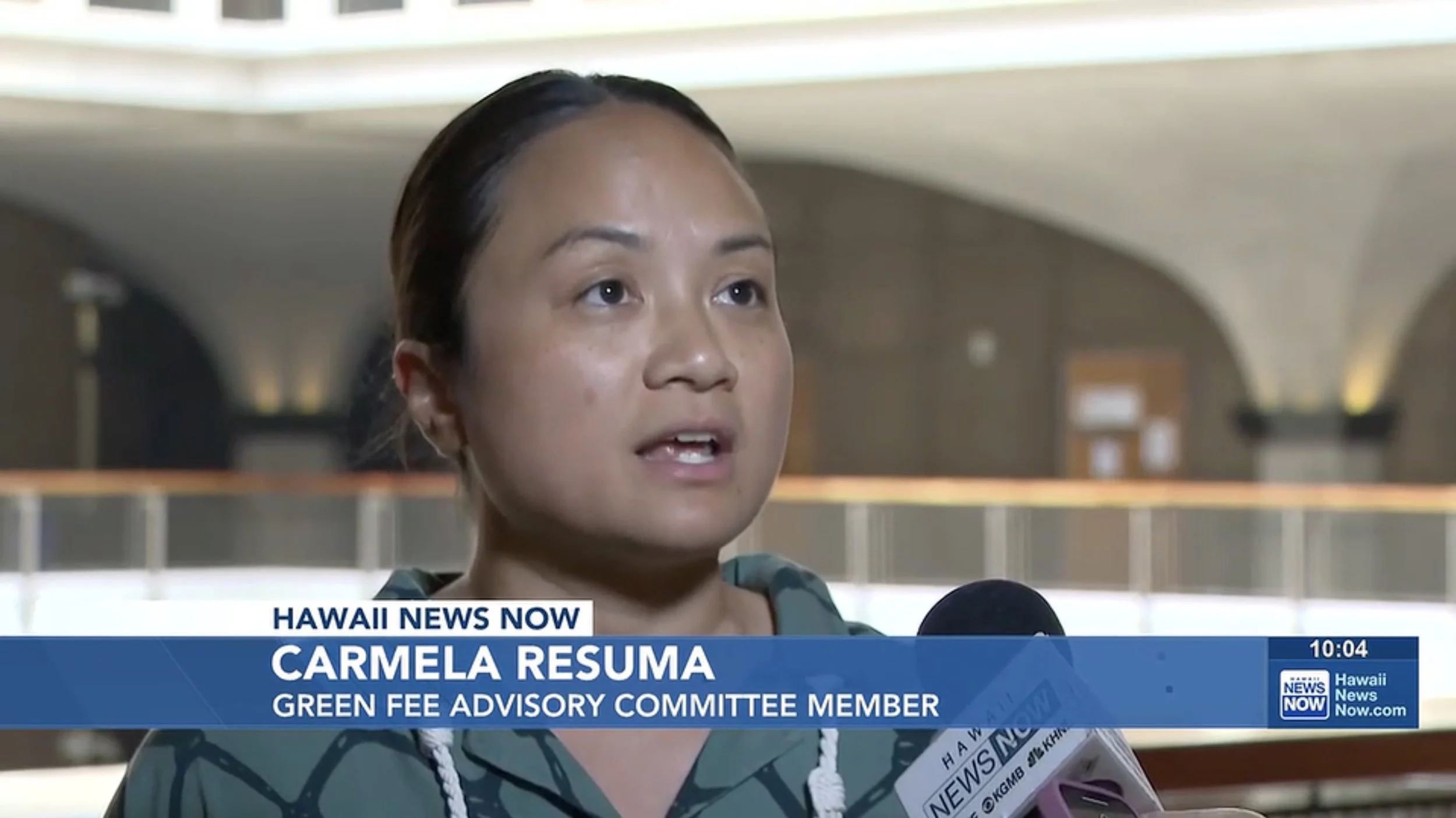
“I had a mix of emotions, and what we are leaning on is that we all did everything that we could to make sure that this funding really centers community in Aina, in its efficacy and in its impact. There were a lot of projects that were included,” said Carmela Resuma, a member of the Green Fee Advisory Committee.
Is Hawaiʻi’s green fee being used as intended? Lawmakers advance $20B budget plan
By Kimber Collins for KITV 4 Island News
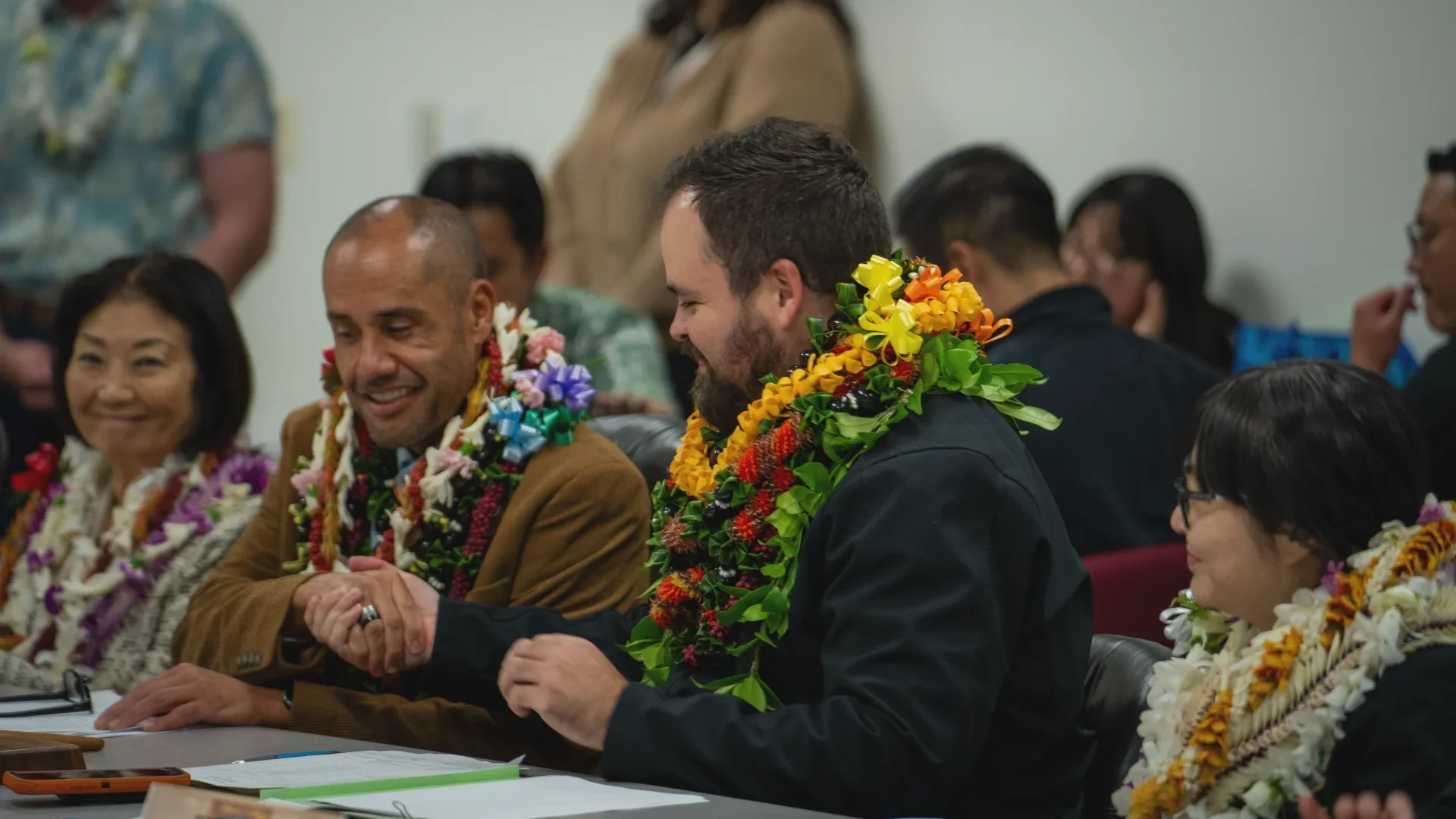
A roughly $20 billion state spending plan is moving forward at the State Capitol, but questions are growing about how Hawaii is using its new visitor green fee.
House Bill 1800, the state’s supplemental budget through 2027, cleared conference committee Thursday night and now heads to a final vote next week.
The plan includes billions in infrastructure spending, including:
$446 million for public school improvements
$646 million for highway upgrades
$365 million for airport projects
$78 million for hospital and healthcare improvements
Lawmakers said the budget is focused on local needs.
“We are proud to pass a budget that puts Hawaii’s working families front and center,” said State Senator Donovan M. Dela Cruz.
But embedded throughout the bill is funding tied to the state’s visitor green fee, a tourism tax that began collection Jan. 1 and is expected to generate more than $100 million annually.
Hawaiʻi budget bill moves forward with green fee focus
By Kimber Collins for KITV 4 Island News
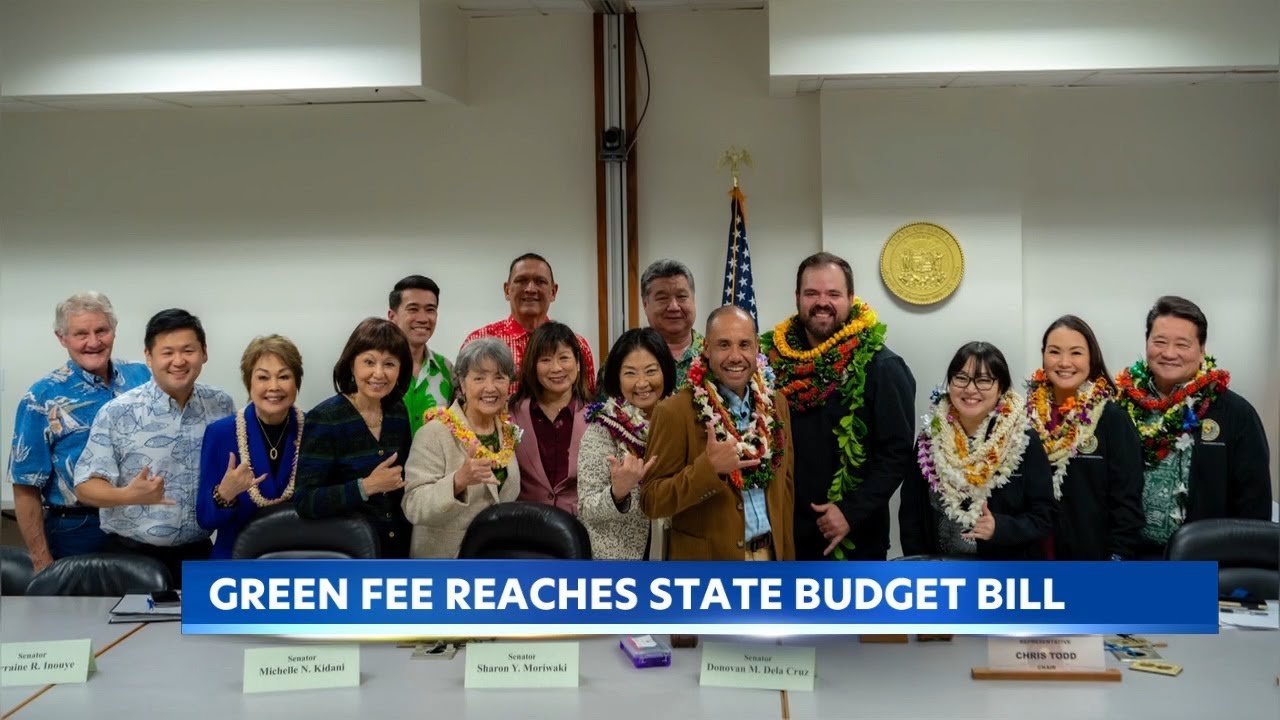
A new state budget bill advances with significant funding tied to Hawai‘i’s visitor Green Fee. Green Fee Advisory Council said many of its recommendations were included. Lawmakers said the funds will support infrastructure and environmental projects statewide.
Legislators negotiate Green Fee projects, immigration as key deadline approaches
By Ashley Mizuo for Hawai‘i Public Radio
It's crunch time at the Legislature as a key legislative deadline looms: conference. That's when lawmakers from both chambers have to come together to negotiate language in bills before they get a final vote.
Numerous measures have made it through conference, but some have yet to be decided. One of the key questions this legislative session has been on how the Green Fee, the new increased tax on hotels and cruise ships, would be spent. The law passed last year requires that a total of about $100 million in revenue be spent on three categories: protecting natural resources, increasing climate resiliency and sustainable tourism.
Climate Change Projects Key As Lawmakers Rush To Finish State Budget
By Kevin Dayton and Chad Blair for Honolulu Civil Beat
The Legislature needs to make decisions on all tax and spending bills by Friday in order to conduct final votes next week.
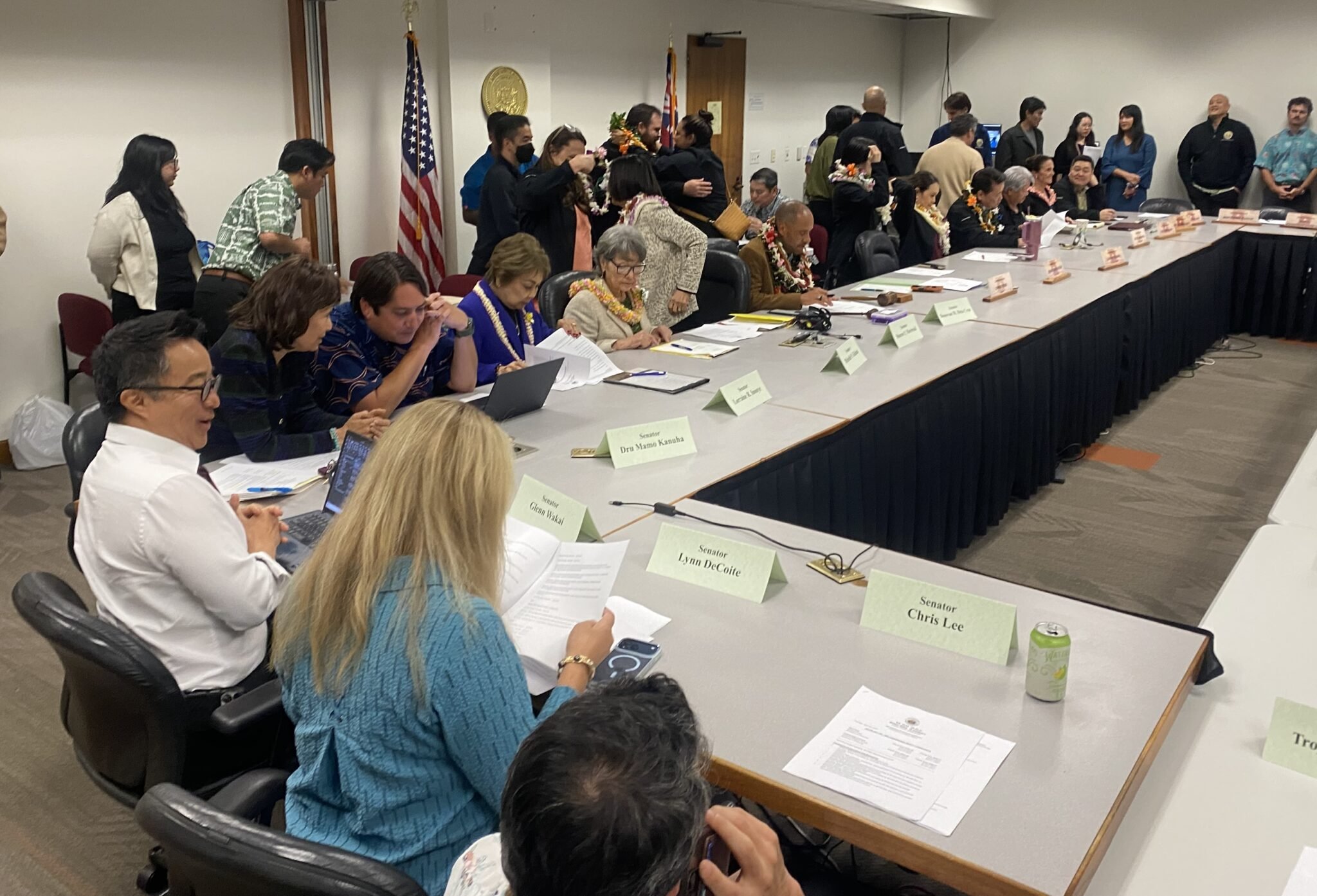
House and Senate leaders finalized a list of more than $120 million in “green fee” environmental protection and other projects late Thursday evening as they hurried to meet a critical Friday deadline to move the state budget forward.
The Legislature is racing this week to complete its work on hundreds of bills and position them for final votes next week, including a new $20 billion budget they presented Thursday evening to finance state government next year. Lawmakers are scheduled to wrap up their work for the year on May 8.
Editorial: Green fee only for climate projects
By Editorial Staff for Honolulu Star-Advertiser
Good grief. With only days left to wrap things up, do lawmakers really need to pull political shenanigans over the state’s new “green fee”?
Authorized by legislation in 2025, the green fee is collected as a portion of the state’s transient accommodations tax (TAT). It’s projected to raise about $100 million annually for projects that build state resilience in the face of climate change — though about $26 million of that is in limbo while the cruise ship industry challenges its inclusion, and because Senate Bill 2698, which would drop cruise-ship TAT collections in favor of a flat per-passenger fee, is still alive.
About $130 million in “green” funding is at stake this legislative session as part of the state’s annual budget bill, but in this eleventh hour, key senators have offered alternative line items — substituting out fully half of the priorities, worth $65 million, that were carefully crafted by the 10-member Green Fee Advisory Council (GFAC). Both the cruise ship bill and these last-minute switcheroos create unnecessary and counterproductive hurdles for the green-fee plan and the projects it supports.
‘Green Fee’ project spending faces shakeup
By Andrew Gomes for Honolulu Star-Advertiser
How the state spends nearly $130 million on initial projects to protect natural resources, mitigate disaster risk and improve visitor experiences under Hawaii’s new “Green Fee” program is facing reshuffling at the Legislature.
Some powerful senators don’t want to fund about $65 million of projects recommended by an advisory council in January and instead have proffered their own list of suggested replacements.
Replacement recommendations include $12 million for a food and product innovation network, $800,000 for the state Department of Education to comply with the federal Americans with Disabilities Act, and $350,000 for a sports and signature events study.
Potential eliminations include $10.6 million to support community-driven reforestation and natural habitat improvement work, $5 million for homeowners to reduce high-wind damage risks and $1 million to cease cesspool use in the nearshore Honaunau community on Hawaii island.
The desired shakeup was put forth by the 13-member Senate Ways and Means Committee within a recently published 706-page list of proposed appropriations for the state budget bill.