
Column: Funding Stewardship at Scale
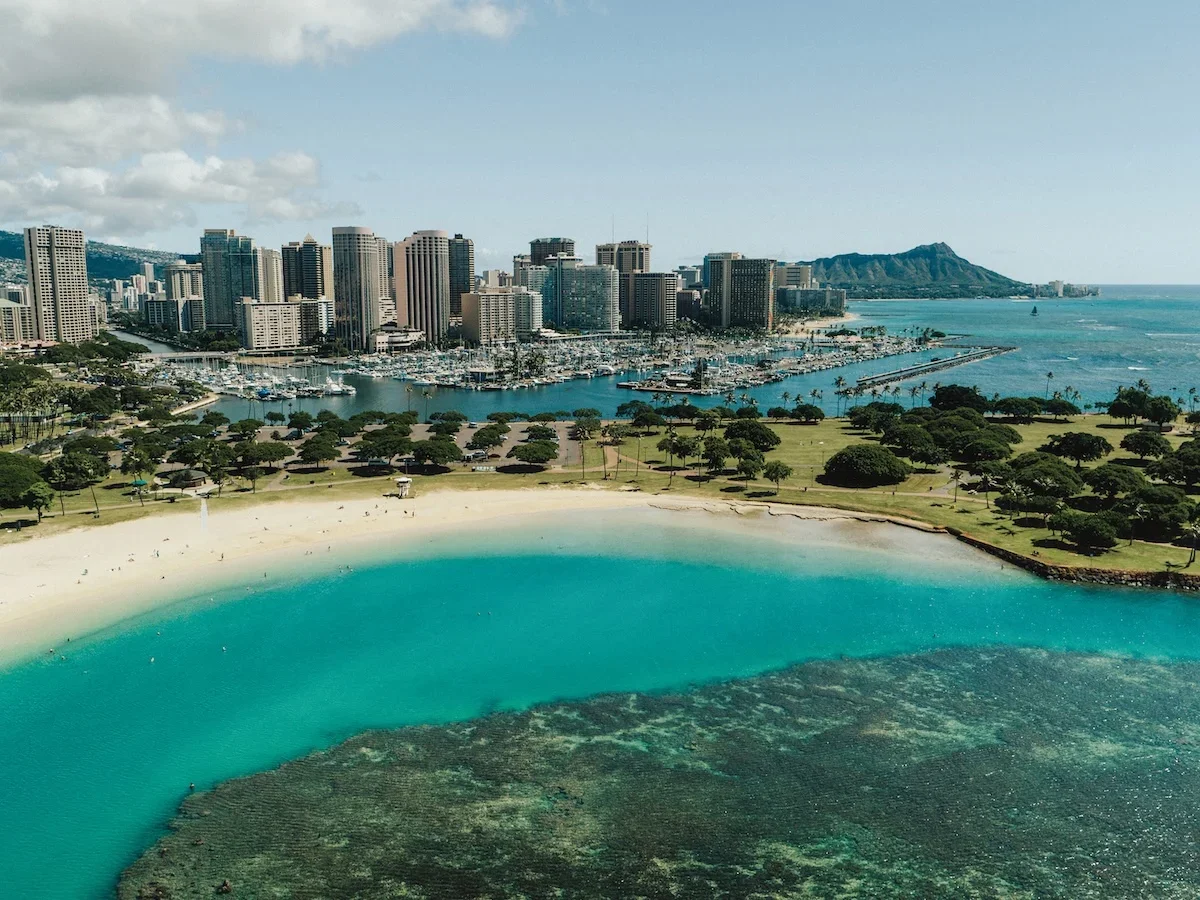
Hawaii Tourism Authority (HTA) / Heather Goodman
By Kalani Kaʻanaʻana for Hawaiʻi Business Magazine
On any given day in Hawaiʻi, signs of strain are visible. Trails show wear from heavy use. Reefs experience stress from warming waters and sediment runoff. Forested areas continue to face pressures from invasive species, alongside growing wildfire risk. Cultural sites are visited often, while stewardship resources remain limited. These patterns are not isolated. Together, they point to a broader reality: the natural and cultural systems that sustain Hawaiʻi have operated for decades without a funding structure that fully reflects how much we depend on them.
Act 96, SLH 2025, introduces what has been described as the nation’s first climate impact fee, often called the Green Fee. As of January 1, 2026, the law increased the Transient Accommodations Tax by 0.75 percent and directs new revenue toward natural resource management, climate and hazard resilience, and sustainable tourism systems. The intent is to establish a more predictable funding source for systems that support Hawaiʻi’s environmental, cultural, and economic well-being.
Click here to read the full article published by Hawaiʻi Business Magazine on Feb. 12.
