
By Jeff Mikulina, Chris Benjamin, and Jack Kittinger for Honolulu Star-Advertiser
Honolulu Star-Advertiser
Hawaiʻi took an important step when the state Legislature established the green fee, a dedicated funding stream to protect our environment, strengthen community resilience and support sustainable tourism, without adding financial burden to kamaʻāina families.
Recent events across our islands make one thing clear: the need for this investment is no longer theoretical — it is urgent. From destructive flooding to intensifying storms, communities are experiencing the impacts of a changing climate.
Over the past several months, the Green Fee Advisory Council has worked to identify how to invest this new funding in the most community-oriented and impactful way.
The council, made up of trusted community representatives and subject matter experts, reviewed more than 500 public project ideas and over 100 proposals from state departments and agencies representing more than $2 billion in potential projects statewide. With roughly $130 million available in year one, this disciplined prioritization required a process people can trust.
From the outset, the council focused on identifying projects ready to deliver meaningful results now. Using a framework aligned with Act 96, proposals were evaluated based on readiness, impact and ability to address known risks, including wildfire exposure, coastal erosion and watershed degradation.
The council also made a deliberate decision not to pre-select nonprofit or private entities that might ultimately carry out this work, to avoid favoring any one group. Instead, it focused on identifying the highest- impact areas of need, while leaving implementation to existing, equitable and accountable state processes.
Under Act 96, funds are appropriated to state agencies, which then use established procurement and grant mechanisms to select partners and deliver projects with oversight. This approach avoids picking “favorites” and helps protect fairness and public trust.
The result is a balanced portfolio across three connected priorities: environmental stewardship; climate resilience and hazard mitigation; and sustainable tourism. These translate into real-world outcomes like restoring reefs and watersheds, reducing wildfire risk, protecting coastlines and strengthening community preparedness.
At this stage in the legislative process, Hawaiʻi faces a clear choice. The state House took a step by advancing a comprehensive, vetted portfolio of projects and now the Senate must follow suit, to ensure these efforts move forward as intended.
These recommendations were developed as a cohesive portfolio by experts with deep experience in Hawaiʻi’s climate challenges, with each project reinforcing the others to deliver systemwide impact.
If implemented as designed, this approach enables immediate progress, moving ready projects forward and delivering measurable results we can see and feel in year one.
If fragmented or delayed, progress slows, impact is diluted and critical windows to reduce urgent risks may close.
The priority now should be simple: move forward with projects that are ready so communities can begin seeing real progress this year.
Transparency and accountability are also central to this effort. Funding includes tools to track where resources go and what they deliver. This is visibility that is essential for building and maintaining public trust.
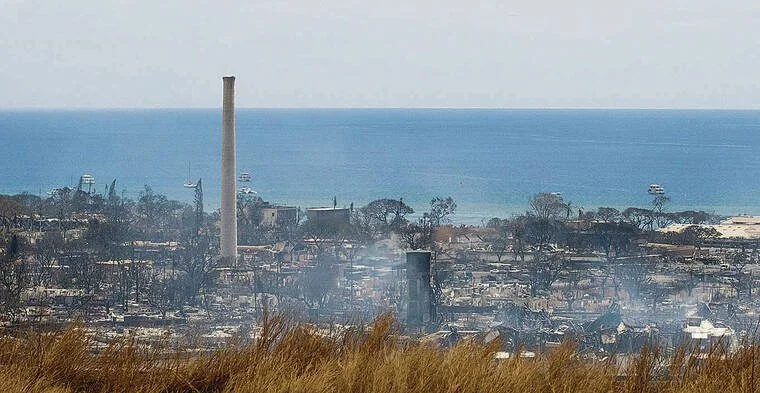
From the Lahaina wildfire to recent Kona-low storms, communities across Hawaiʻi are already facing the consequences of a changing climate.
Investing early in resilience is far less costly than rebuilding after disaster strikes — and is far less disruptive to our communities.
Hawaiʻi has already taken a significant step by establishing the green fee. The House has shown what moving forward looks like, and now the Senate must ensure these funds are deployed in a way that delivers real, lasting impact.
The decisions made in the coming days will shape whether Hawaiʻi accelerates its path toward resilience or delays progress.
The work has been done. The priorities are clear. Now is the moment to follow through.
Jeff Mikulina chairs the Green Fee Advisory Council; Chris Benjamin chairs the Climate Advisory Team; Jack Kittinger is spokesperson for the Care for ‘Aina Now Coalition.
Click here to read the full article published by Honolulu Star-Advertiser on Apr. 26.
